
In 2021, older adults spent an estimated $84 billion on home modifications. That represents just over one million homeowners age 65 and older who invested in making their homes more accessible. From stair lifts to bathroom grab bars, these modifications reflect a common desire: staying in familiar surroundings as long as possible.
But there is a context worth considering.
Approximately 70 percent of seniors will need long-term care at some point in their lives. With less than four percent of homes in the United States featuring both single-floor living and no-step entry, most families eventually face a critical decision — continue modifying an aging home or transition to a community designed from the ground up for older adults?
Stair lifts are among the most common senior home modifications, particularly in multi-level homes. Chair lifts for the elderly offer practical solutions for immediate mobility challenges. But are stair lifts worth it when viewed through a long-term lens? And what can seniors do instead of stair lifts when home modifications no longer suffice?
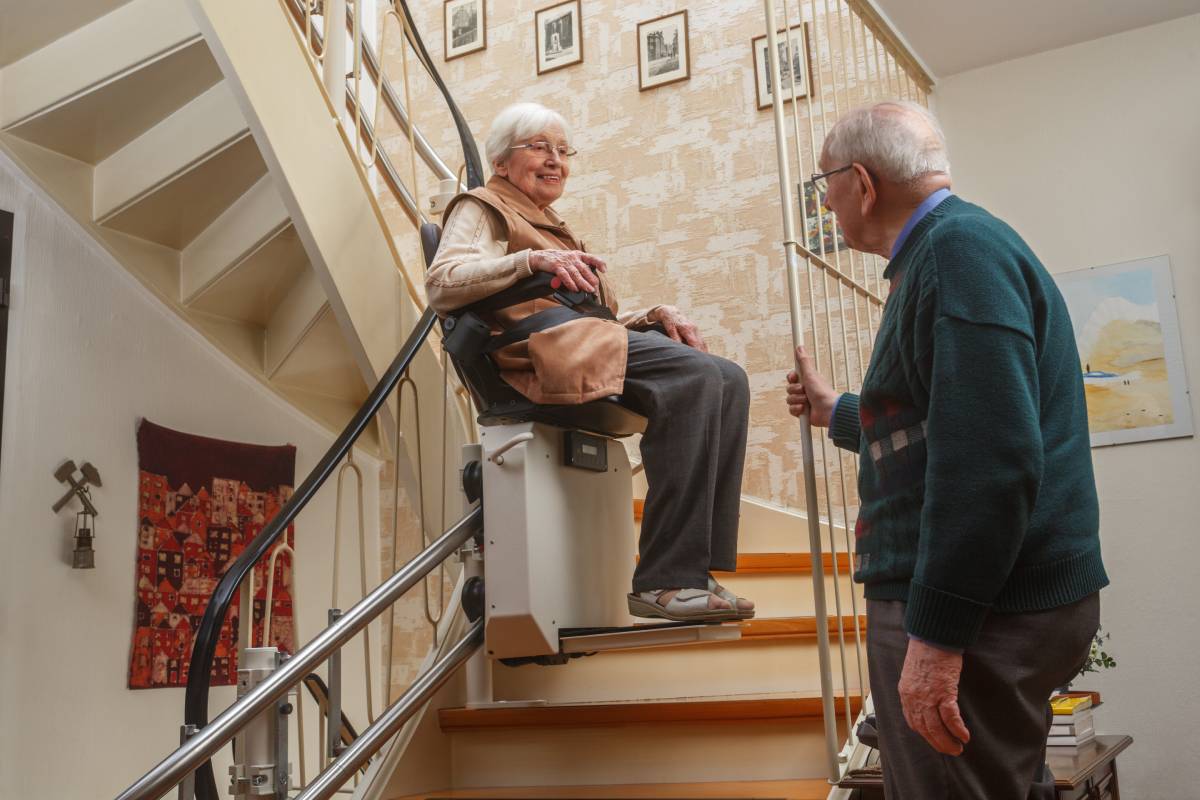
This guide explores home modifications for seniors, examining the benefits and limitations of adaptations like stair lifts while offering a perspective on alternatives that may better serve evolving needs.
Understanding Senior Home Modifications
Home modifications for seniors encompass any changes that make houses more accessible and easier to navigate as physical abilities change. Common modifications include:
- Stair lifts and chair lifts
- Bathroom grab bars and raised toilets
- Walk-in showers or tubs
- Wheelchair ramps
- Widened doorways
- Improved lighting
- Non-slip flooring
- Lowered countertops and cabinets
Home modifications for seniors in Austin, Texas, often begin with addressing multi-story homes common throughout the area. Senior chair lifts for stairs are necessary when bedrooms, bathrooms, or living spaces are on different floors.
The Benefits of Stair Lifts and Home Modifications
Are chair lifts worthwhile? For some seniors, absolutely—particularly when mobility challenges are recent and other home features remain accessible.
Improved Accessibility
Installing senior chair lifts for stairs eliminates the immediate barrier of navigating multiple floors. Seniors regain access to all areas of their homes without assistance, maintaining routines and access to familiar spaces.
Maintained Independence
Chair lifts for the elderly support self-reliance. Seniors can reach bedrooms, bathrooms, and living areas without depending on others, preserving dignity and autonomy during a specific stage of changing abilities.
Cost Comparison to Major Renovations
According to Warrior Service Company, standard stair lifts cost between $2,000 and $5,000. Stairs with curves or custom features might exceed $15,000. While significant, these costs remain lower than installing elevators or relocating main living spaces to single floors—modifications that could cost tens of thousands more.
Quick Installation Process
Most stair lifts can be installed in a day with minimal structural changes to a home. This quick timeline appeals to families who need immediate solutions after hospitalizations or sudden mobility declines.
Comprehensive Accessibility Approach
Many families combine stair lifts with broader modifications: motion-activated lighting to reduce fall risks, grab bars in bathrooms, non-slip flooring in kitchens and bathrooms, and wider doorways to accommodate walkers or wheelchairs. Together, these changes create more navigable spaces for aging in place.
What is the Disadvantage of a Stair Lift?
Understanding limitations helps families make informed decisions about whether stair lifts represent practical long-term solutions.
Significant Financial Investment
While less expensive than some alternatives, $2,000 to $15,000 represents a substantial expense — particularly since Medicare and most insurance plans don’t cover stair lifts. Some assistance programs exist, but eligibility requirements limit access for many families.
For families considering multiple home modifications, costs accumulate quickly. What begins as a stair lift purchase often expands to include bathroom renovations, flooring changes, and lighting upgrades — easily totaling $20,000 to $50,000 or more.
Limited Functionality as Needs Progress
Stair lifts address one specific challenge: navigating stairs. They don’t help with:
- Cooking nutritious meals regularly
- Managing household maintenance
- Preventing social isolation
- Coordinating increasingly complex medication schedules
- Handling emergencies when living alone
- Accessing medical support quickly
As care needs evolve beyond mobility challenges, stair lifts become insufficient solutions requiring additional interventions.
Space and Aesthetic Considerations
In homes with narrow staircases, chair lifts can make passage difficult for other household members. The equipment occupies stair width, creating obstacles for family members or guests navigating stairs.
Some families find stair lifts visually disruptive, changing the appearance of beloved homes in ways that feel institutional rather than residential.
Resale Complications
Custom-fitted stair lifts often don’t appeal to future home buyers. They may become selling obstacles requiring removal (an additional expense) or price negotiations, reducing home values. The modification benefiting current residents provides little value to subsequent owners.
Ongoing Maintenance Requirements
Stair lifts require regular maintenance, occasional repairs, and eventual replacement. These ongoing costs and coordination efforts add to the total investment over time.
What Can Seniors Do Instead of Stair Lifts?
When stair lifts feel insufficient or impractical, several alternatives deserve consideration.
Relocating Within Existing Homes
Some families convert first-floor spaces into bedrooms and bathrooms, allowing seniors to avoid stairs entirely. This approach works when the first floor has adequate square footage and the budget allows for bathroom additions or relocations.
Moving to Single-Story Homes
Downsizing to ranch-style homes or condominiums eliminates stair challenges while potentially reducing overall housing costs and maintenance burdens. However, this requires a significant effort in selling, purchasing, and relocating.
Considering Senior Living Communities
Communities designed specifically for older adults eliminate not just stairs but the entire burden of home maintenance, meal preparation, and social isolation. For many families weighing modification costs against ongoing care needs, senior living offers comprehensive solutions that address current and future needs.
Comparing Costs: Modifications vs. Senior Living
Home modifications for seniors in Austin or anywhere require an honest cost-benefit analysis.
Home Modification Investment
- Stair lift: $2,000-$15,000
- Bathroom renovation: $10,000-$25,000
- Additional accessibility features: $5,000-$15,000
- Ongoing maintenance and utilities: Unchanged or increased
- Home care services as needed: $20-$30/hour
- Social isolation: Unaddressed
Total potential investment: $20,000-$60,000+ in modifications alone, plus ongoing expenses for services modifications don’t provide.
Senior Living Investment
One monthly fee typically covers housing, utilities, meals, housekeeping, maintenance, transportation, activities, social opportunities, and support services. This lifestyle choice provides comprehensive lifestyle support rather than addressing isolated challenges.
The question becomes: which investment better serves long-term needs and quality of life?