
Are you debating whether a loved one should stop driving? Many families quietly ask, “When should seniors stop driving?” and then put off the conversation. Research suggests more than 80% of senior drivers never discuss it with family or a doctor, and about 15% of families only bring it up after a ticket or an accident.
That hesitation makes sense.
A driver’s license has given your parent decades of independence, from first jobs to school pickups to Sunday drives. Handing over the keys can feel like handing over a piece of who they are. The conversation is a tender one, and the right approach can make it feel like teamwork.
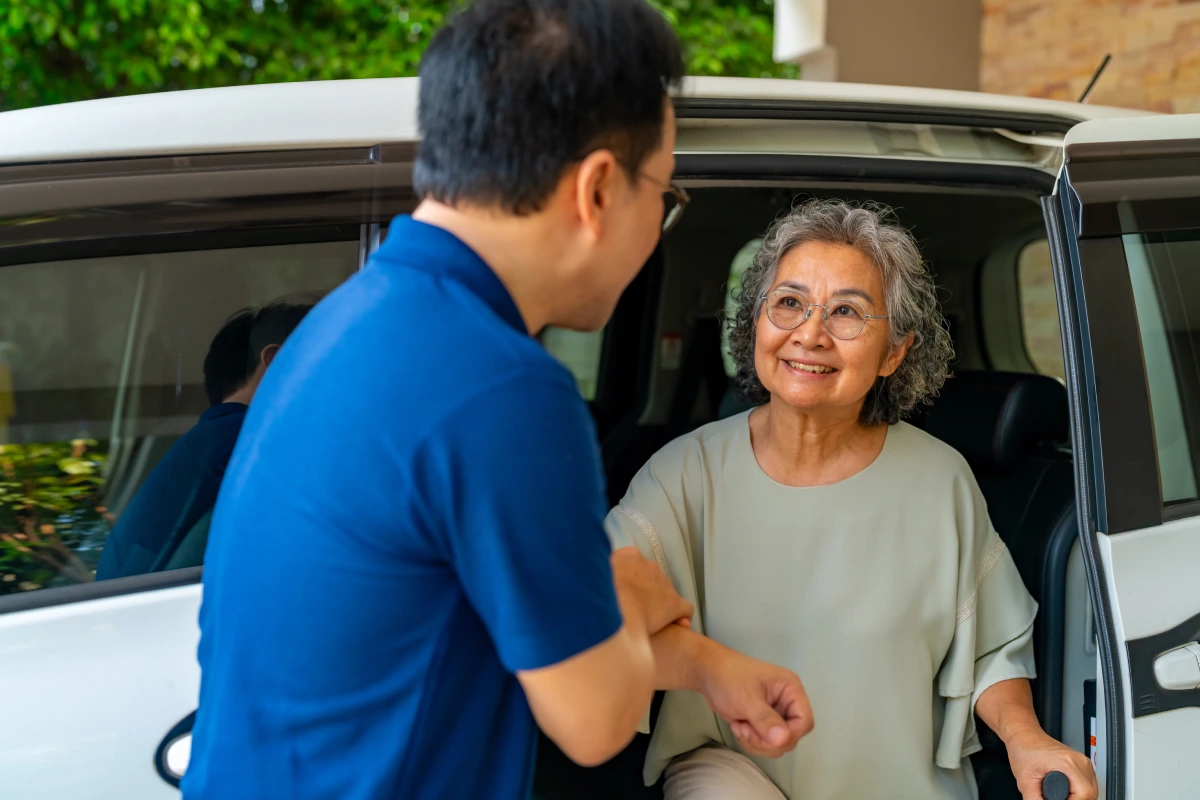
Why Today’s Older Adults Drive Longer
Baby boomers have stretched their driving years by seven to 10 years compared with earlier generations. Behind the wheel, they keep up with medical appointments, errands, and time with friends.
Picture a loved one in West Lake Hills who regularly drives to Dell Seton Medical Center at the University of Texas for appointments. Or a South Austin resident who loves volunteering at the Long Center.
Both are good reasons to keep driving, and both involve about 20 minutes of highways and one-way streets. That takes quick decisions, steady vision, and fast reactions. For a loved one who is showing signs of change, it may be time to consider alternatives.
Signs It May Be Time to Step Back From Driving
Three changes tend to matter most:
- Declining vision
- Cognitive impairment, such as Alzheimer’s or other forms of dementia
- Reduced physical fitness or slower reaction time
Everyday clues around the house and calendar can also point the way:
- New scratches or dents on the car or garage
- Getting lost on familiar routes
- Missing appointments
No single sign settles the question, but patterns over time tell the story. A doctor can refer your loved one for a driving evaluation for seniors, sometimes called a driving assessment for seniors, which gives an objective view.
Senior driving laws vary by state, so the Texas Department of Public Safety is the best place to confirm current renewal requirements. Those over 79 must renew their driver’s license in person, and after 85, they must renew it every two years.
How to Start the Conversation
Timing and tone matter. A quiet moment before any scare helps the talk feel like care. A few approaches tend to help:
- Ask how driving feels these days
- Share specific observations without blame
- Acknowledge what driving has meant to them
- Invite their doctor or another trusted voice to weigh in
- Plan a follow-up talk instead of settling everything at once
Pushback is common and usually comes from fear of losing independence. Listening to that fear first keeps the door open.
Then offer a plan.
Rideshare, community transportation, and a shared family ride schedule show that independence can continue in a new form.
Getting Around Austin Without a Car
Transportation for older adults in Austin offers more choices than many families expect, including senior transportation in South Austin and across the city. Good places to start:
- CapMetro and CapMetro Access
- The City of Austin Senior Transportation Program
- Senior-friendly Uber and Lyft apps
- Drive a Senior
CapMetro is the region’s public transportation provider, and CapMetro Access offers door-to-door paratransit service for older adults who qualify.
The Senior Transportation Program, operated by Austin Parks and Recreation for more than 30 years, is mostly free and can be reserved for group outings.
Uber and Lyft both offer senior-friendly versions of their apps, and Drive a Senior is a newer option among driving services for seniors.
Together, these Austin senior transportation services keep calendars full, and a family ride schedule can fill any gaps.
Life at SoCo Village Without the Car Keys
SoCo Village offers assisted living and memory care in Austin’s South Congress neighborhood, with personalized care plans, chef-prepared meals, on-site therapy services, and a full activity calendar. Scheduled transportation takes residents to appointments and group outings, with no parking, highways, or ride requests to worry about.
Favorite outings include:
- Bowling at Westgate Lanes
- The Lady Bird Johnson Wildflower Center
- The Blanton Museum
- Movies at Alamo Drafthouse
- The Broken Spoke
- Out to eat every Friday
For those who appreciate walkability, our community is located near shopping and services like Walmart, Starbucks, Chick-fil-A, and Juiceland.
Residents who once planned every day around the car find that the calendar fills up on its own, and company comes along for every trip. Appointments become easier to keep, and favorite places stay within reach. Bruno, our resident dog, is usually waiting at the door when everyone returns.